Malheur National Forest will soon begin invasive plant treatments
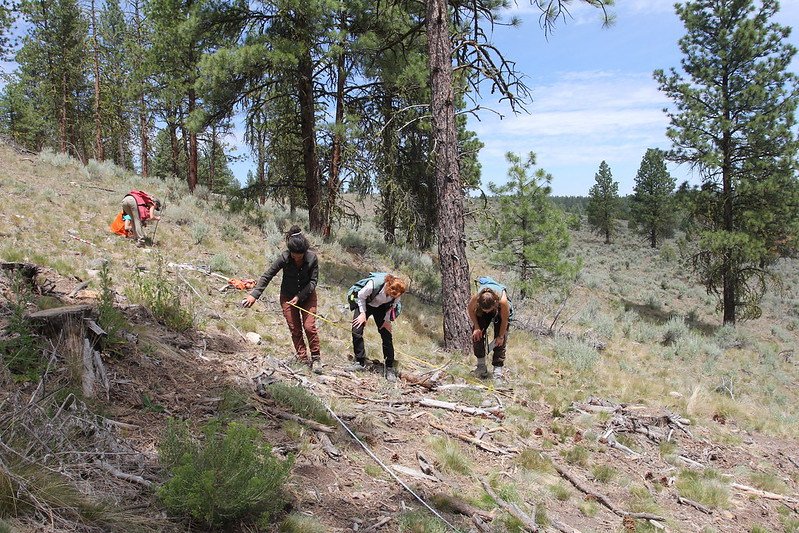

JOHN DAY & HINES, Ore. (KTVZ) -- Happening Next: The Malheur National Forest will soon begin invasive plant control across its lands, with work scheduled to continue from April through November.
This initiative aims to mitigate the negative effects of invasive species on biodiversity, wildlife habitat, animal forage and streamside vegetation. The control efforts will focus on a range of invasive plants that pose significant threats to the forest ecosystem.
This project is a continuation of efforts started under a 2015 decision for the Malheur Site-Specific Invasive Plants Treatment Project.
The forest employs an integrated approach to invasive weed control, incorporating herbicide application, manual removal, biological control, prevention and restoration techniques.
Invasive plants targeted for treatment include knapweeds, non-native thistles, St. Johnswort, houndstongue, sulphur cinquefoil, toadflaxes, whitetop, perennial pepperweed, spurges and invasive annual grasses.
Most herbicide treatments will involve spot application to individual invasive plants using backpack or hand sprayers from ATVs or trucks. Some broadcast application is also planned for select roadsides and gravel pits.
Herbicides used in the project include aminopyralid, chlorsulfuron, clopyralid, glyphosate, imazapic, imazapyr, indaziflam, metsulfuron methyl, sethoxydim, sulfometuron methyl and triclopyr. Notification signs will be placed in high-use areas at the time of herbicide applications.
A blue marker dye will be mixed with herbicides to show where applications occurred; this dye fades over time. The forest avoids herbicide application in apparent edible and medicinal plant collection areas. Applications in post-fire areas will occur after the morel collecting season has ended in late spring.
Three campgrounds are designated as herbicide-free in 2026: Head O'Boulder Forest Camp on the Blue Mountain Ranger District, Slide Creek on the Prairie City Ranger District and Idlewild on the Emigrant Creek Ranger District. Herbicide may still be applied to roads and invasive patches nearby but outside these campgrounds. Remaining campgrounds will have at least half of their area herbicide-free in any 30-day period.
Multiple organizations are partnering on the project, including Grant Soil and Water Conservation District, Harney Soil and Water Conservation District, Harney County Weed Control, Harney Cooperative Weed Management Area, Monument Soil and Water Conservation District, North Fork John Day Watershed Council, Ore. Department of Agriculture, Rocky Mountain Elk Foundation, the National Wild Turkey Federation, private landowners and permittees. Funding sources include appropriated dollars, post-fire recovery and Title II projects.
For additional information and location maps of herbicide treatments, the public can visit the Malheur National Forests Invasive Species page.
