Oregon Zoo elephant calf Tula-Tu shows signs of progress after virus diagnosis
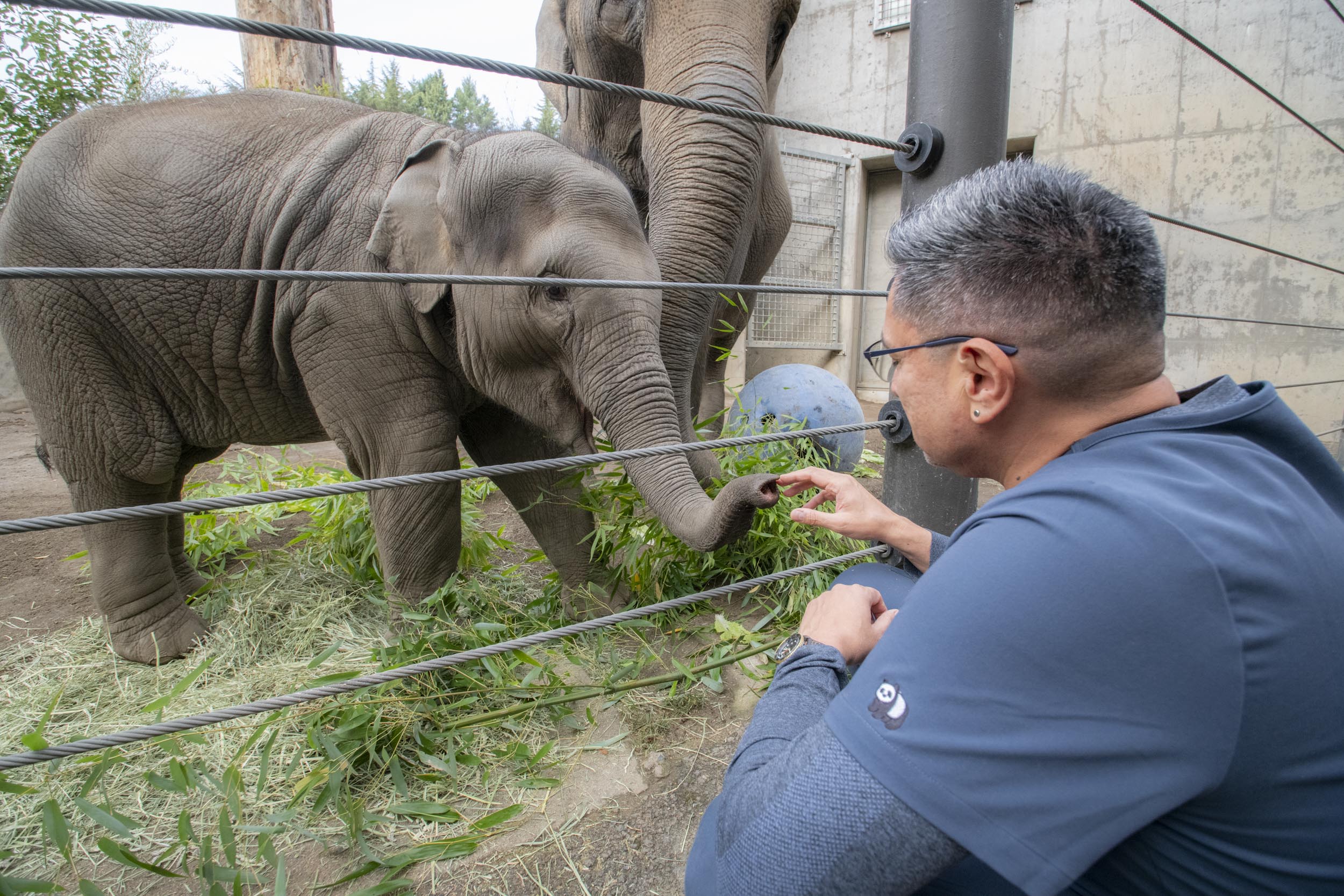

PORTLAND, Ore. (KTVZ) -- Tula-Tu, an elephant calf born at the Oregon Zoo in 2025, is holding steady after a week and a half of emergency care for elephant endotheliotropic herpesvirus.
Veterinary staff are treating the young elephant for the EEHV-1B strain using antiviral medications, fluids and a series of plasma transfusions.
The diagnosis follows Tula-Tu becoming the first elephant on the West Coast to receive an mRNA vaccine aimed at protecting against EEHV-1A earlier this year. While both EEHV-1A and EEHV-1B can cause severe disease in young Asian elephants, EEHV-1B is a distinct, related strain of the virus.
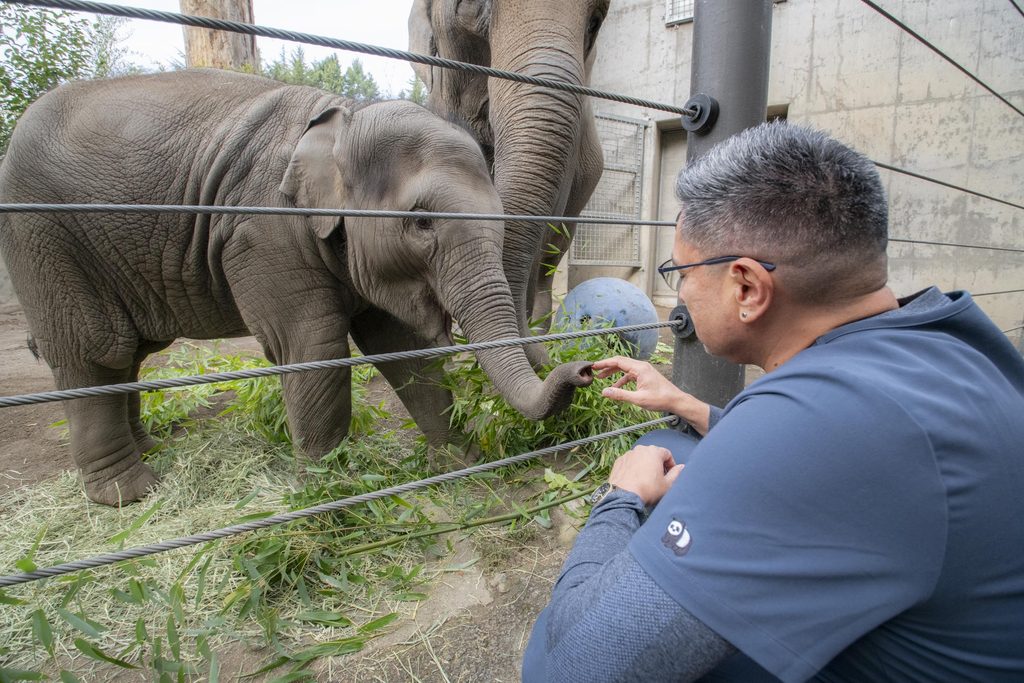
Dr. Carlos Sanchez, director of animal health at the Oregon Zoo, reported that the calf is showing signs of progress despite her guarded status. “Tula remains in guarded condition, but she is showing encouraging signs,” Sanchez said. “Her white-cell counts are nearly back to normal and her viral load is trending down. She appears more alert and her appetite has improved — these are all positive indicators. She's a tough little elephant.”
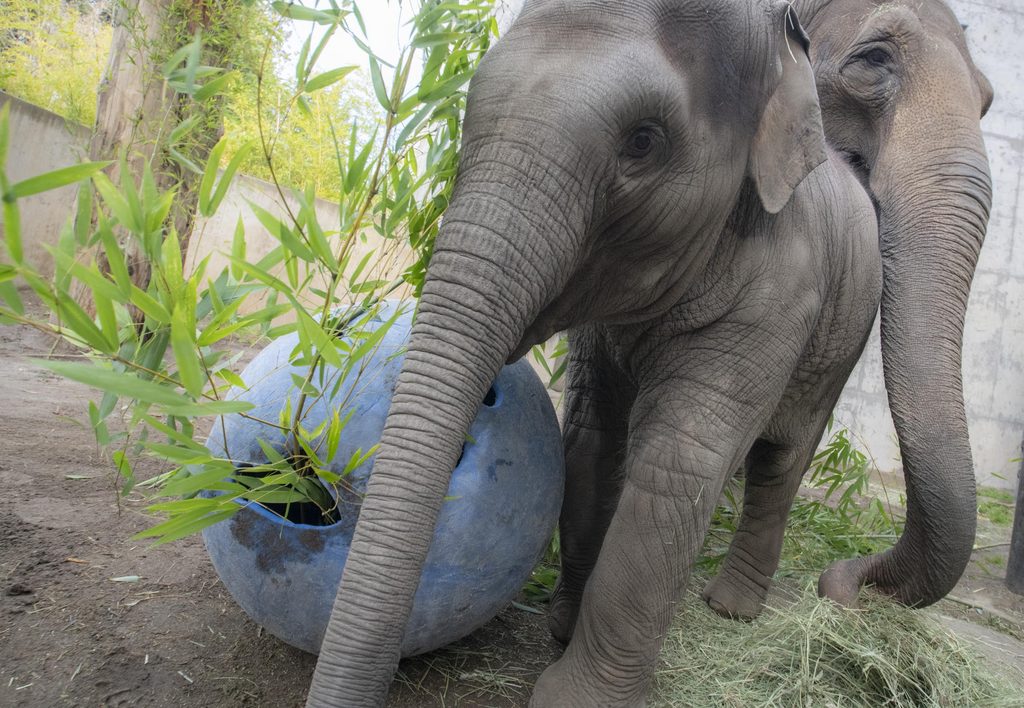
During her recovery, Tula-Tu has ventured outdoors in a behind-the-scenes yard and spent time inside Forest Hall with her mother, Rose-Tu, her father, Samson and aunties Sung-Surin and Chendra. Zoo staff reported that she has been nursing, comforting with her mother and playing with a large blue ball toy that previously belonged to Rose-Tu.
Veterinary experts are continuing to evaluate whether immunity from one strain offers any defense against another. “We do not know whether the EEHV-1A vaccine is protective for the -1B variant,” Sanchez said. “It's possible, but to what degree remains unknown.”
To monitor her response, the zoo regularly sends blood samples for molecular testing to the Oregon Veterinary Diagnostic Laboratory at Oregon State University, Baylor College of Medicine and the Smithsonian's National Elephant Herpesvirus Laboratory. The samples will also support joint research efforts between the facilities to better understand elephant vaccine responses.
EEHV is a latent virus present in nearly all Asian elephants, both in the wild and in human care. Calves become highly susceptible to active disease as maternal antibodies decline, typically between the ages of 1 and 8. Active infections can become life-threatening within days, as occurred in 2018 when another of Rose-Tu's calves, Lily, died from the virus shortly before her sixth birthday.
The virus also affects wild populations, where scientists have confirmed around 200 EEHV deaths in Asian elephant range countries. Sanchez, who serves as chair of the North American EEHV Advisory Group Research Committee, noted that zoo monitoring provides critical data that field researchers cannot easily obtain. “The work we're doing now could play a significant role in protecting future elephant calves from the disease, including those in range countries,” Sanchez said. “It's very difficult to study the virus in wild elephants, but zoos can monitor the elephants in their care closely and obtain samples of blood and other fluids.”
As part of these global efforts, Oregon Zoo staff worked with Malaysian wildlife officials in 2023 to establish Sabah's first hematology lab to track EEHV in wild and captive elephants. The zoo's veterinary team also provides clinical training and diagnostic support for wildlife health practitioners across Southeast Asia.
